


How AI and tech are modernizing the world of fitness …
For generations, fitness was built around sweat and iron. You ran, you lifted, and if you had guidance, it came from a clipboard and a whistle. But that foundation is shifting. Not by gimmick, not by flash, but by the quiet entry of artificial intelligence (AI), immersive technologies, and a growing digital infrastructure that now shapes how millions approach training, recovery, and long-term health.
None of these technologies exist as trends on the fringe. They are integrated into consumer tools, employer programs, boutique fitness, and rehabilitation models. Whether users are aware of it or not, the future of fitness has already arrived and it’s learning their bodies, mapping their patterns, and adjusting itself accordingly.
 Artificial intelligence is already coaching millions
AI-powered personal training is not some experimental promise, it’s functional, distributed, and actively scaling. You’ll find it in commercial fitness apps, smart home gyms, health insurance portals, and even physical therapy programs. Its role is straightforward: to deliver personalized, adaptive training programs without requiring a live coach.
Apps like Freeletics, Fitbod, and Future are widely used examples. They use AI to process user inputs — goals, equipment, fitness level, past sessions, and biometric feedback — to generate workouts tailored to that individual. Over time, the system learns how the user responds. If someone consistently struggles with pushups or shows slower recovery, future workouts are automatically restructured. These systems aren’t guessing. They’re using large-scale training data to predict and guide adaptation.
Advanced platforms go further. Tonal and Tempo, for example, are home gym systems with integrated sensors and computer vision. They provide form correction during the workout, track biomechanics across sessions, and dynamically alter resistance to maintain intensity. In a sense, these systems behave like digital strength coaches. They don’t just assign workouts, they monitor execution and adjust programming in real time.
This technology is being used by millions globally, particularly in the U.S., Europe, and parts of Asia. Adoption is heaviest among working professionals, urban populations, and fitness-conscious consumers who want expert-level guidance without scheduling or travel. For many users, AI training serves as a substitute for a human personal trainer, especially when cost or availability is a barrier. That has real implications: entry-level trainers in some markets are seeing reduced demand for basic programming and accountability services, as clients opt for AI-based plans priced at a fraction of the cost.
However, AI hasn’t eliminated the human trainer. Instead, it’s reshaping the field. Trainers are increasingly expected to offer what machines cannot — hands-on coaching, injury screening, mental engagement, and accountability that goes beyond metrics. In high-level athletic performance, AI is being used by the trainers themselves: feeding them insights, flagging overtraining risks, and optimizing deload periods based on recovery data.
 Virtual reality transforms the training environment
Virtual reality in fitness is not about analytics, it’s about experience. With a headset and a few square feet of space, a user can train inside a high-altitude boxing match, a rhythm-driven dance battlefield, or a scenic landscape filled with interactive targets. It replaces the conventional environment with something designed to stimulate attention, emotion, and engagement.
The core mechanism is simple. Headsets like Meta Quest track head and hand movement, while VR apps translate those motions into activity. In games like Supernatural or Les Mills Bodycombat, users punch, squat, lunge, dodge, and stretch their way through music-driven routines guided by instructors. Every movement is monitored and scored. There’s immediate feedback, competition, and progression.
VR fitness is still an emerging but fast-growing niche, especially among home users, gamers, and individuals who are unmotivated by traditional exercise environments. According to industry data, tens of millions of active VR headset users have tried a fitness experience, and a smaller but quickly growing segment uses VR as a primary form of weekly exercise. The largest demographic is ages 25–45, with increasing adoption among older adults seeking accessible cardio and balance training.
There are already signs of deeper utility. In physical therapy clinics, VR-based rehab exercises help patients regain motor coordination and reduce movement anxiety. In senior fitness programs, VR creates safe environments to improve gait and balance. Military and first-responder training programs have experimented with VR-based stress conditioning to simulate high-stakes movement.
Still, VR fitness hasn’t fully entered commercial gyms or public fitness infrastructure. Hardware costs, motion sickness in sensitive users, and spatial constraints are real barriers. But as headset design improves and software diversifies, its long-term potential — particularly for habit-building and cognitive-motor integration — is significant.
Wearables and apps are becoming the new infrastructure
The most ubiquitous transformation in fitness isn’t found in high-end hardware or immersive visuals, it’s in the devices people already wear. Smartwatches, fitness bands, and mobile apps now serve as the constant interface between behavior and response. They track movement, heart rate, sleep quality, variability, stress load, oxygen saturation, body temperature, and more.
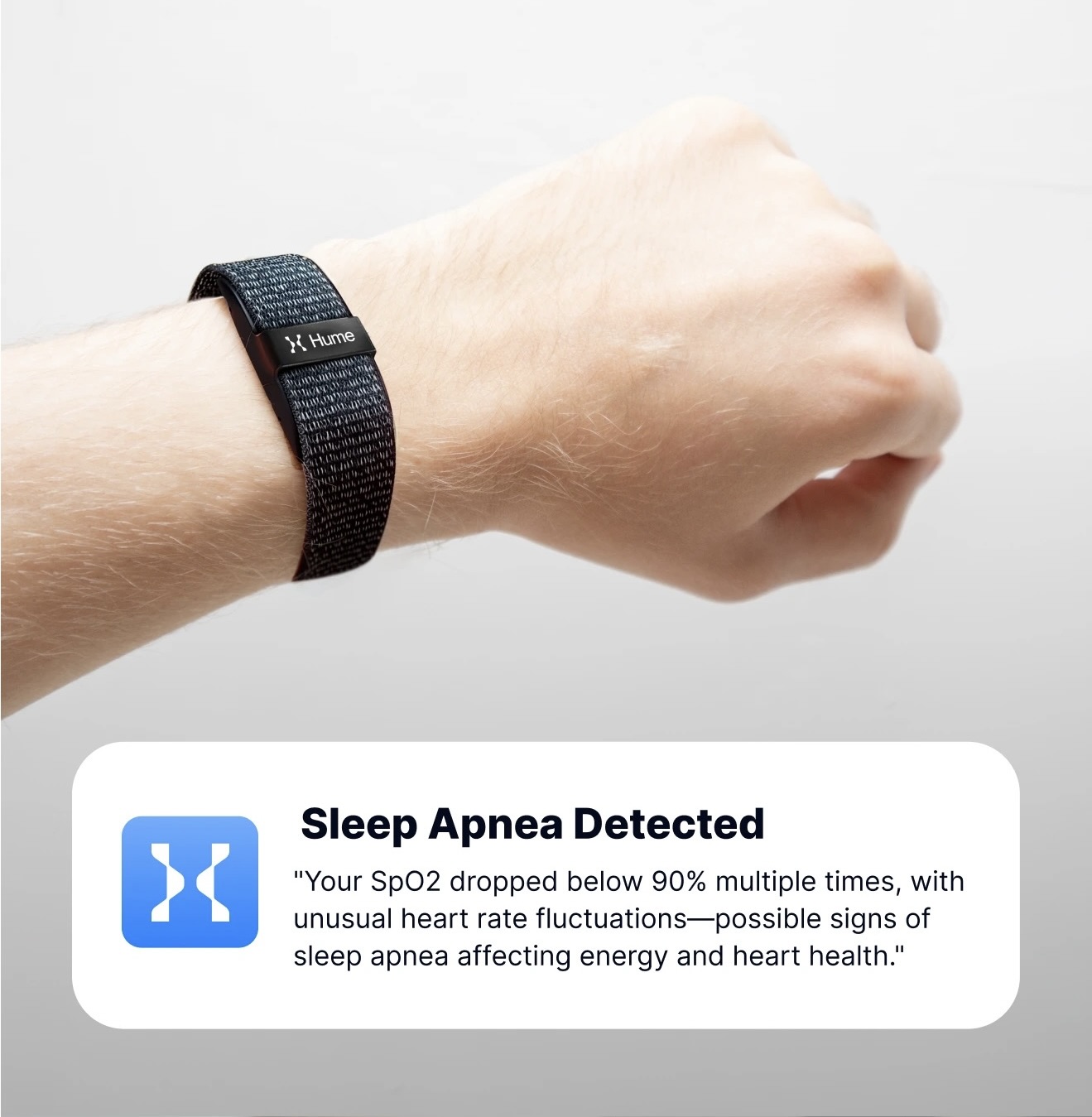 This data doesn’t just sit in graphs. Systems like WHOOP, Oura, Garmin, Apple Health, and Polar Flow interpret trends to determine training readiness, recovery status, and risk of overtraining. Many of these platforms integrate with third-party apps, nutrition trackers, and AI-based coaching systems. The user no longer needs to self-monitor fatigue or guess their recovery – apps send alerts when strain is high, readiness is low, or sleep debt is accumulating.
At the population level, wearables and fitness apps are widely adopted and still growing. As of 2024, over 40 percent of U.S. adults report regular use of a fitness app or wearable device. These tools are no longer just for enthusiasts, they’re part of clinical health programs, insurance incentive structures, corporate wellness plans, and school-based fitness initiatives.
And their impact is industry-wide. Gyms now integrate app-based check-ins, wearable-compatible equipment, and hybrid training models where in-person sessions sync with cloud-based performance tracking. Nutrition and habit coaching services increasingly rely on wearable data to guide interventions. Even personal trainers now use client wearables to plan sessions, flag sleep disruptions, or explain performance drops.
The biggest shift is continuity. Users no longer start their fitness journey when they enter the gym and end it when they leave. With wearables and apps, fitness is always collecting data, always offering suggestions. This “always-on” relationship changes how people think about training – it becomes part of life, not a separate task.
What this means going forward
The modern fitness landscape is not moving toward a single innovation, it’s becoming an ecosystem. AI powers decision-making, VR transforms experience, and wearables provide the real-time feedback loop. None of them are passing fads. Each is establishing itself as a permanent layer in how physical training is approached, delivered, and lived.
And while these tools make fitness more accessible and intelligent, they also challenge existing models. Trainers must now compete with algorithms or learn to use them. Gyms must offer more than space and weights, they must provide a tech-integrated experience. Users must navigate new options and interfaces, not just sets and reps.
The technology is not asking for attention. It’s simply moving forward. Quietly adjusting, observing, optimizing—until what once felt futuristic becomes the most ordinary part of the workout.
Scotty


Leave a Reply